
Auckland whale watching: choose the shape of the day
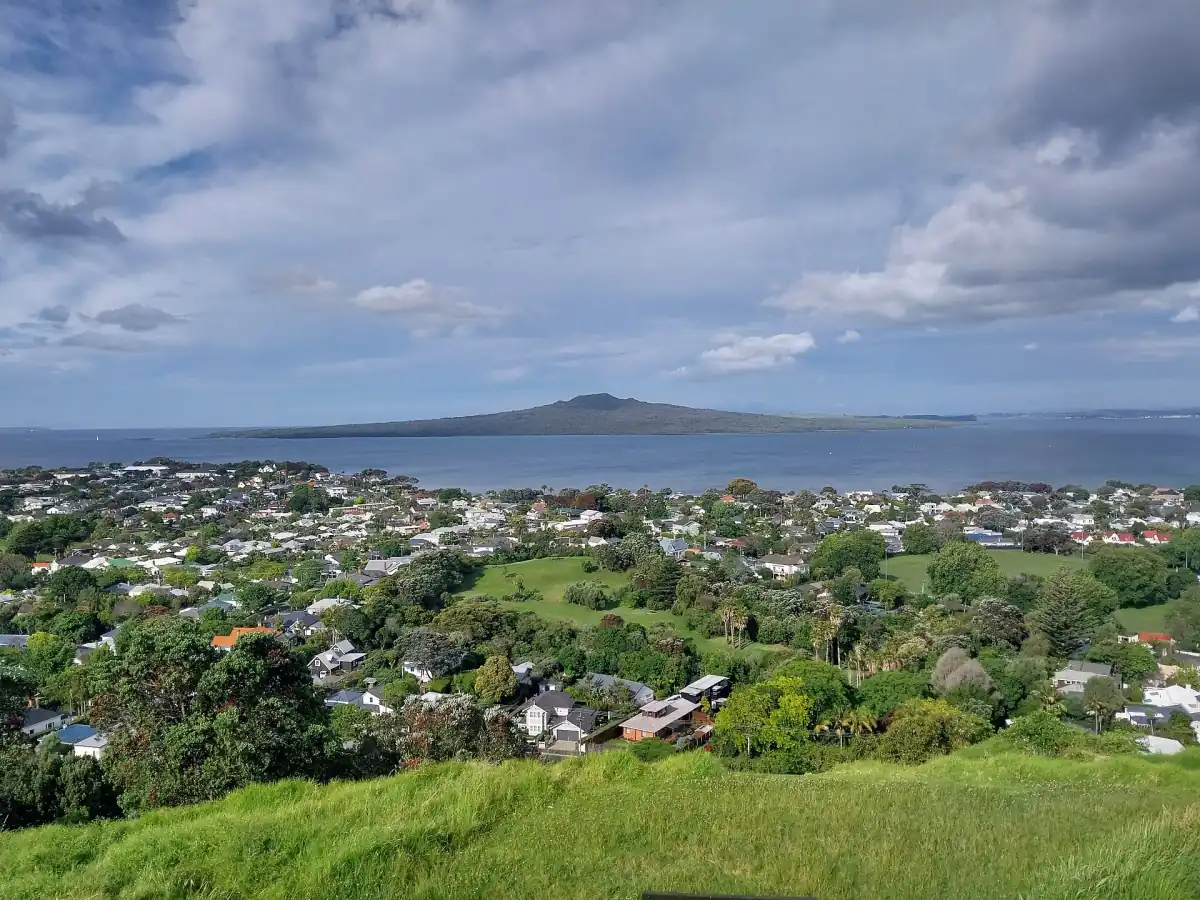
Auckland whale watching is a wildlife outing whose encounters change from day to day. The two experiences here both allow time for marine mammal viewing in the Hauraki Gulf, but they structure the day differently. A dedicated eco-cruise keeps the focus on the search at sea. The other experience combines a scenic Gulf cruise with island connections and, on eligible departures, an island stop.
Choose between them by looking at the whole programme rather than treating every wildlife cruise as the same trip. The island-stop condition matters especially if landing is part of the reason for booking. For a shorter outing focused on sailing rather than the search for animals, compare the harbour sailing experiences. Both are water activities, but the purpose and the time set aside are different.
Our take
The eco-cruise offers another cruise if no marine mammals are seen. The other cruise includes an island stop on eligible departures; sightings are never guaranteed.
Hand-picked tours, booked through GetYourGuide. Prices are indicative starting prices in US dollars (as of October 2026). Tap a tour for live availability and the current price in your currency.
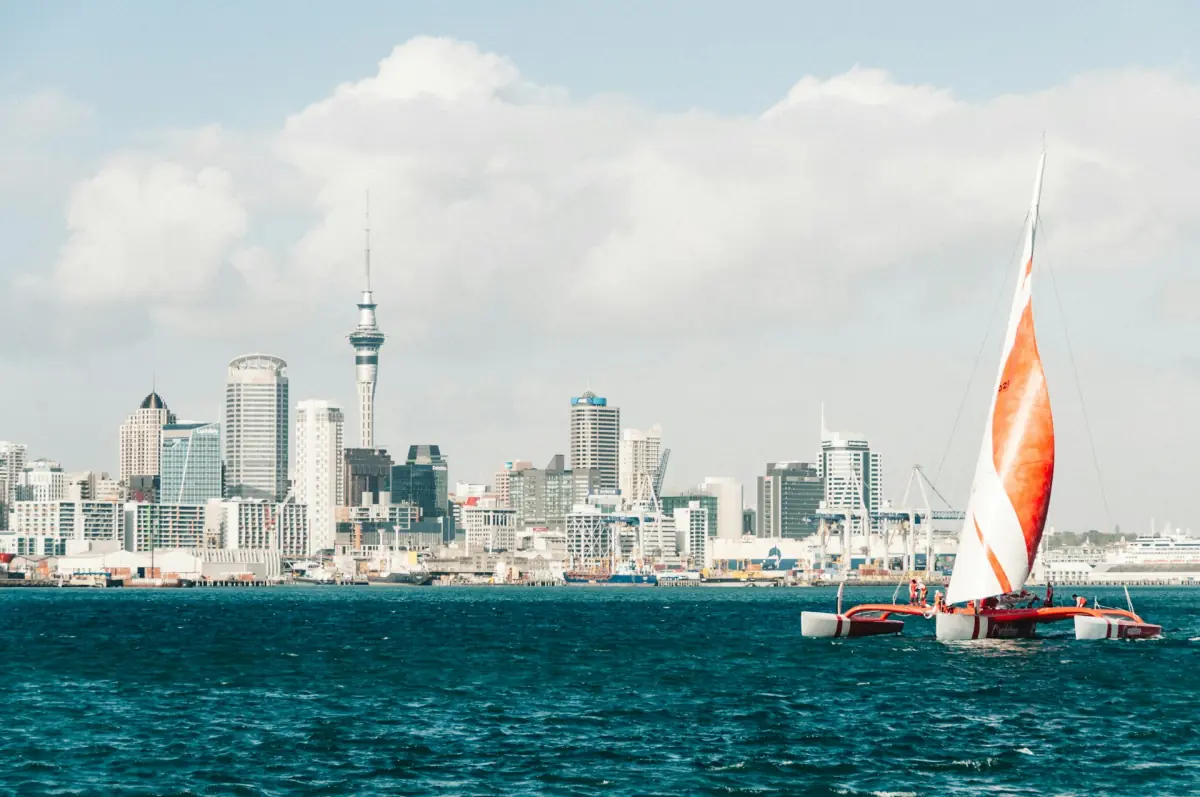
Marine mammal eco-cruise
- 4.5-hour eco-cruise
- Guide
- Repeat cruise if no marine mammals
Wildlife sightings are never guaranteed.
Check availability →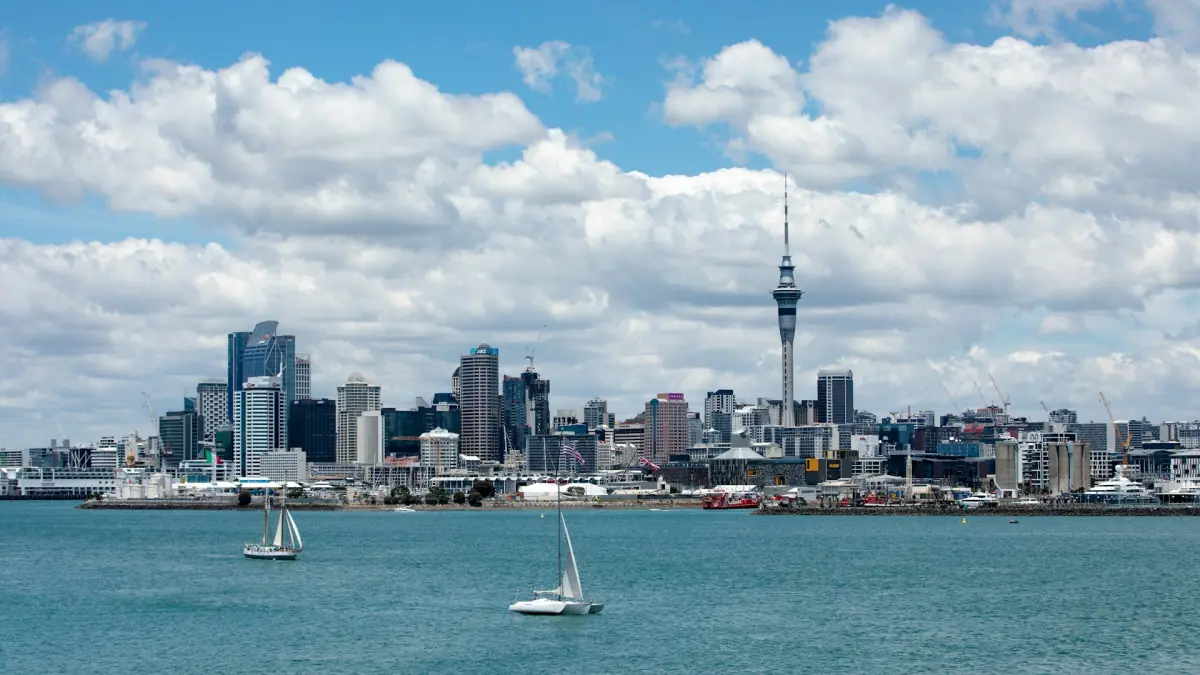
Hauraki Gulf wildlife cruise
- Scenic cruise on the Hauraki Gulf
- Live commentary
- Dedicated time for marine mammal viewing
An island stop is included on eligible departures, but not at 11:30. Sightings are not guaranteed.
Check availability →Hauraki Gulf wildlife cruises
Choose between the dedicated eco-cruise with a repeat-trip benefit and a scenic wildlife outing whose island stop depends on departure.
The dedicated eco-cruise and its repeat-trip benefit
The 4.5-hour eco-cruise includes a guide and a second cruise if no marine mammals are seen. That repeat-trip benefit belongs to this particular experience. It gives a practical reason to leave flexibility in a longer stay, while the original outing remains a search for wild animals. Food and drinks are available to purchase on board rather than included in the ticket.
The start is Eastern Viaduct in Auckland CBD. The safari’s check-in instructions place boarding opposite the entrance to the Maritime Museum, with arrival at the vessel at least 15 minutes before departure. Build that margin into the journey from your accommodation. The published operating conditions describe weather and sea dependence, so keep later arrangements flexible instead of relying on an exact return for a flight or another time-sensitive booking.
Island stops depend on the selected departure
The scenic Gulf cruise includes live commentary, dedicated time for marine mammal viewing and pickup and drop-off at other island locations. Its island-stop element is Rotoroa Island or Man O’ War Vineyards on Waiheke. The 11:30 departure has no island stop. If spending time ashore is important, choose an eligible departure on that basis rather than assuming every sailing includes a landing.
Food and drinks cost extra on this cruise, and hotel pickup and drop-off are excluded. Its meeting point is the booking kiosk at Quay Street Viaduct. Use the duration and return details attached to the departure selected; the island-linked programme needs its own space in the day. For a separate visit centred on wine and island transfers, the Waiheke guide compares those arrangements without turning a wildlife outing into a wine package.
Responsible encounters with whales and dolphins
Department of Conservation rules require at least 50 metres from whales and at least 200 metres from a baleen or sperm whale mother with a calf. Swimming with whales is prohibited. Animals must not be encircled, have their route blocked or have their groups driven through. These limits help explain why a responsible wildlife outing follows the animals’ behaviour rather than promising a close approach for a photograph.
Within 300 metres, vessels must move slowly without a wake, and no more than three vessels or aircraft may be in the viewing area. Rules also protect dolphins: when leaving them, speed increases must be gradual, with a maximum of ten knots within 300 metres. Swimming with dolphin groups containing young is prohibited. These are viewing cruises, so plan to observe from aboard and follow the crew’s directions throughout the encounter.
Weather, check-in and a flexible city programme
The dedicated safari is offered year-round, with operating information describing service on all days except Christmas. Year-round availability does not make individual departures independent of sea conditions. The activity planning guide explains how to use weather information and leave alternatives. A city walking tour offers a different kind of guided day when arranging the wider visit.
Compare inclusions before adding the rest of the schedule. The dedicated cruise provides its specific repeat-trip benefit, while the island-linked option needs attention to the departure with or without a stop. Keep meals, travel to the kiosk or vessel, and later commitments separate in the plan. This produces a clearer choice than picking an outing only because the title mentions both whales and dolphins.
Frequently asked questions
Are whales or dolphins guaranteed?
Encounters vary in the wild. The dedicated 4.5-hour eco-cruise includes a second cruise if no marine mammals are seen.
Does every island-linked departure include a landing?
The 11:30 departure has no island stop. Other eligible departures include Rotoroa Island or Man O’ War Vineyards.
Is food included?
Food and drinks are extra on both experiences and can be purchased on board. Plan meals around the selected departure.