
Auckland history begins with land and waterways
Auckland history starts before the colonial capital, with a fertile isthmus and a network of waterways that made this place attractive to Māori communities. Understanding that setting gives a city walk more depth than a sequence of building names. The historical background here follows Te Ara's Auckland regional history, updated on 1 August 2016. Use it to put the city in context, then choose a guided walk for a local introduction to its history and culture.
Auckland names both a city and a region. Waitematā Harbour, the Hauraki Gulf, Manukau Harbour and the Waitākere Ranges are distinct parts of that regional landscape. Keeping those names separate helps when choosing between a city walk, a harbour outing and a wider excursion. For an introduction centred on stories rather than a broad sightseeing circuit, start with the walking tour comparison.
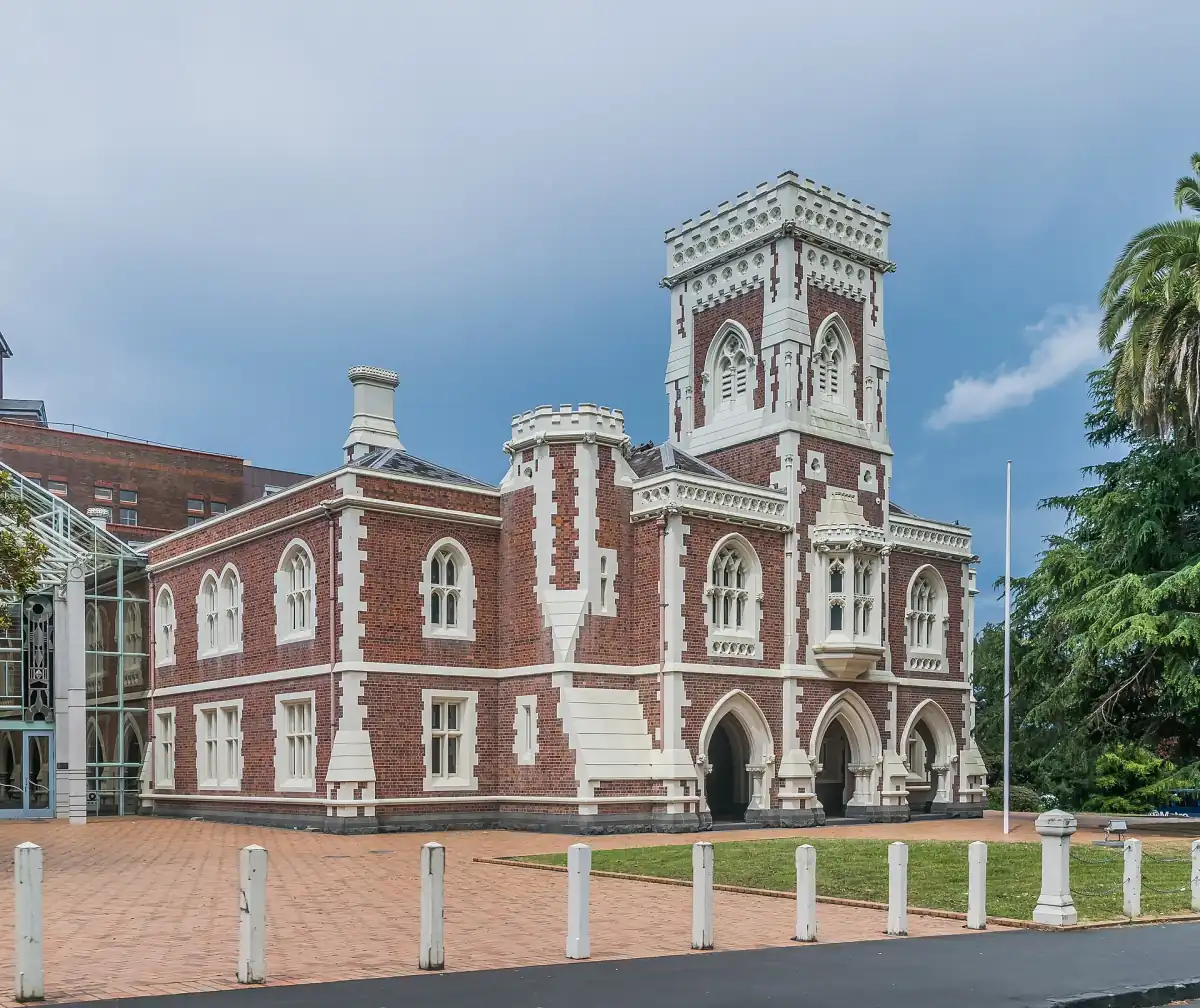
Different iwi and their regional connections
Te Ara explains Tāmaki-makau-rau through the appeal of the fertile land and water routes. Its account describes several iwi and changing relationships. It is more useful to learn those connections than to treat the whole region as one undifferentiated cultural story. The geography matters: an account associated with the western ranges should retain that setting when compared with one linked to the gulf.
The historical account associates Ngāi Tai with Maraetai, Te Kawerau-a-Maki with the Waitākere area, Ngāti Te Ata with the country south of Manukau, and Ngāti Pāoa with the Hauraki area. These place connections provide a starting point for questions on a city visit. Keep the distinction between historical background and the actual programme of a booked tour: a history and culture walk is an introduction through a local guide, with its own stated inclusions.
Our take
A local guide leads this small-group walk through Auckland history and culture.
Hand-picked tours, booked through Viator. Prices are indicative starting prices in US dollars (as of October 2026). Tap a tour for live availability and the current price in your currency.
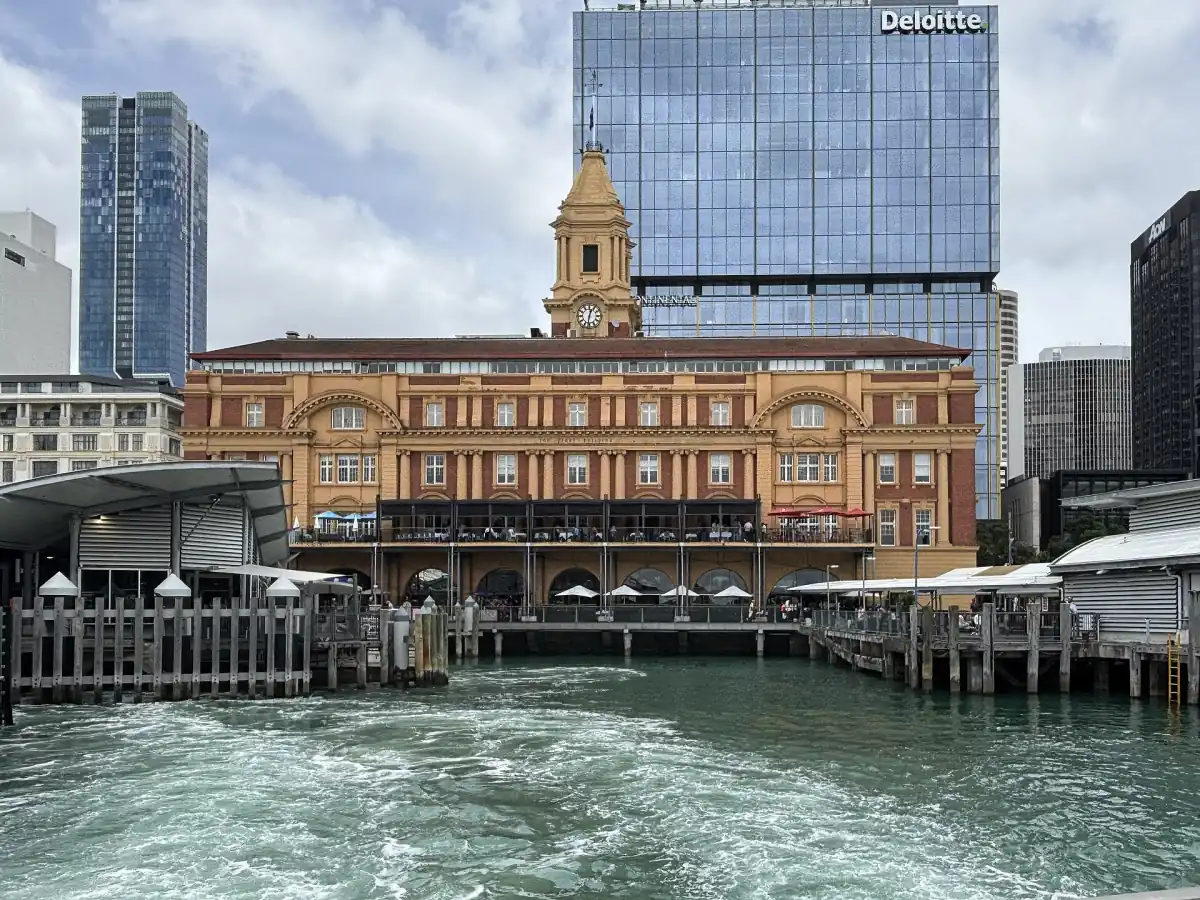
A guided introduction to Auckland's history
The small-group history and culture walk pairs a local guide with coffee or tea. Choose it for a city visit centred on historical context.
1840: a capital site and Ngāti Whātua's expectations
Hobson chose the isthmus as a capital site in 1840. Te Ara places that decision alongside Ngāti Whātua's strategic expectations of trade and protection, and the land losses that followed. Read these elements together. Starting the story only with the selection of a capital would leave out the relationships and expectations already attached to the land.
This is a useful theme to carry into a guided visit: how does the account of a colonial city relate to the people whose land it occupied? It also helps distinguish an interest in history from a wish simply to see a set of landmarks. Choose the history-focused walk for that emphasis, or browse Auckland sightseeing options if a wider introduction is the priority.
1865: the capital moves to Wellington
The capital moved to Wellington in 1865. That date belongs after the selection of Auckland in 1840, rather than at the beginning of the region's story. On a short visit, keeping this sequence in mind makes it easier to separate Māori regional history, the establishment of the colonial capital and the later change of capital. The city's present appearance is a setting for those questions, rather than a complete explanation of them.
Choosing a guided approach to city history
The history and culture experience offered here is a small-group walking tour with a local guide. Its inclusions cover all fees and taxes, plus coffee and/or tea. That is a concrete choice for visitors who want time on foot with a historical focus. Match the walking format to the rest of the day, and read the booked meeting instructions before setting out.
Keep the choice of subject separate from the choice of transport. A harbour cruise offers a different way to spend time around the water; the history walk puts the guide and city stories at the centre. The Auckland tours overview brings these different activity types together when planning the remaining days.
Questions about Auckland's past and history walks
When did Auckland become the capital site?
Hobson selected the isthmus in 1840. Te Ara's historical account also describes Ngāti Whātua's expectations of trade and protection, and the land losses that followed.
When did the capital move to Wellington?
The move took place in 1865. It is a later chapter in a regional history that includes Māori connections to the land and waterways before the colonial capital.
What does the history walk include?
The small-group experience includes a local guide for an Auckland history and culture walk, all fees and taxes, and coffee and/or tea. Choose it for a guided introduction on foot.